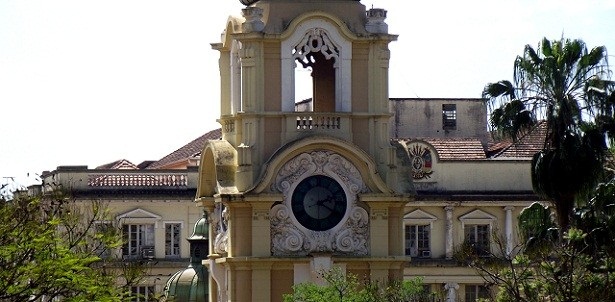
ポルトガル語はポルトアレグレで!?

ポルトガル語を真剣に学びたい日本人学生さんにポルトアレグレを推薦します。その5つの理由とは何か。

First impressions count

Before setting foot in the Porto Alegre I hadn’t fully pictured how the city should appear. Given the German/Italian immigration patterns I imagined...

Arte en Porto Alegre

Hablar de arte suele ser pretencioso de ante mano, a pesar de ello quiero mostrar mi interés. Aquí en Puerto Alegre me gusta la oferta cultural que tiene...

Avenida Borges de Medeiros - parte 1

Conheça alguns pontos turísticos importantes da cidade ao longo da Borges de Medeiros.

Curte uma trilha?

No artigo 'O outro lado do Morro Santana' um blogueiro abandona o desktop para trilhar o ponto mais alto da cidade. Será que ele conseguiu?

Memorial do Rio Grande do Sul

Conheça o belo Memorial do Rio Grande do Sul.

Mostrando postagens com marcador Nicola Bell (IRL). Mostrar todas as postagens

09/11/2012

A question of transport.


A foreigners guide to navigating through the Porto Alegre gridlock.

I have a fear of flying, so much so, that every time I board a pressurized cabin, I have to tranquilize myself with the hard stuff. No other mode of transport has ever really had the same effect on me - until now.

And after yesterday's near death experience with a truck, which accelerated while I tried to cross a road, the second incident of its kind this week, I wondered: Is being a pedestrian in Porto Alegre any safer than, say, being a motorcyclist in South East Asia?

Upon moving to Brazil, a languagebarrier was something to expect, but the vast cultural differences were something I was not prepared for. I have had to rewrite the rules of almost everything I know, but crossing the road was something I hadn’t considered, until now.

Pretty quickly, I realized that the traffic here has a different set of rules. Cars in general rule the streets, pedestrians are a nuisance. Avoid motorbikes like rats. Never expect drivers to indicate. As for red lights, footpaths and pedestrian crossings, they’re just for aesthetics.

So the question is, how does one get around in Porto Alegre? Cars perhaps? Only if you are rich, very tolerant of road rage, and happy to be carjacked. Cycling maybe? With a distinct lack of cycle lanes, extremely hot weather and, cyclists being sworn enemies of drivers, cycling is for the very courageous at this moment in time.

As options were thin on the ground, I decided to give public transport a go. Admittedly, I hail from a city where the public transport has a lot of room for improvement, but Gaucho public transport is a world away from what I’m used to.

For starters, the only real extensive mode of transport in the city is buses. There are bus stops, but timetables or an indication of which buses actually stop at a particular pointdoesn’t exist. POA buses are a bit like the end of rainbows. I know they go somewhere, but the exact location remains an enigma.


bus stop in Porto Alegre, RS, Brazil
Bus stop in Porto Alegre, RS, Brazil

Brazilians do love their stamps, documents and pieces of paper, so if you want to obtain a bus pass its not a simple as buying it in a shop. It’s communist style bureaucracy on Speed. Give yourself a good month, plan for a number of ‘certified’ documents. Then go to one place to apply for the pass, pay for the fares in a specific bank, and then get the fare credit added to your pass in another place. Easy.

So, If you’re unwilling to bus it -standing in 35 degrees; squeezed up against a stranger, have the cash and nerves to drive, or pay gringo taxi fairs, what’s the best option to get from A to B? Possibly cycling, if there were sufficient cycle lanes. As for me, I will remain a pedestrian warrior for now, fighting for my share of city space. Perhaps in decades to come this will change, and Brazil will up its game.

24/07/2012

First impressions count

Before setting foot in the Happy Harbour I hadn’t fully pictured how the city should appear. Given the German/Italian immigration patterns I imagined a little Latin colonial, maybe a historic quarter with brightly painted houses, cute cafes, wine bars, cobblestoned streets and historic churches. Perhaps packed with sleepy bars by the river that come alive at weekends, and food vendors concocting aromatic fare on every corner. There are remnants of that Latin colonial place I had visualised in my head, but it’s altogether a different place.

 Porto Alegre is an industrial city for work rather than play, capital rather than culture. A city full of beautiful women but no supermodel itself. Along with the 60’s and 70’s structures and pedestrian unfriendly wide roads, the city applauds modernisation. So generic gated high rises are replacing its once historic buildings, which are vanishing.

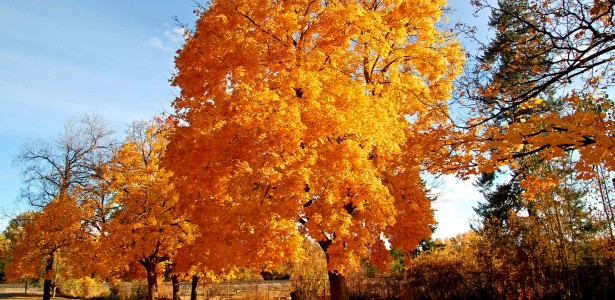
 Architecture may not be Porto Alegre’s forte, however it does have one redeeming feature; a tree for every season. Porto Alegre is unquestionably a Dendrophiliacs paradise. It’s is hardcore tree porn for nature-lovers around the globe. Palm trees, fruit trees, colourful floral trees, pine trees, overhanging trees blanket an otherwise urban concrete jungle. They make the city feel green. The scent of Guavas is tantalising in summer, a riot of orange star like flowers decorate the city in autumn, and plump mandarins can be picked off the trees in winter.
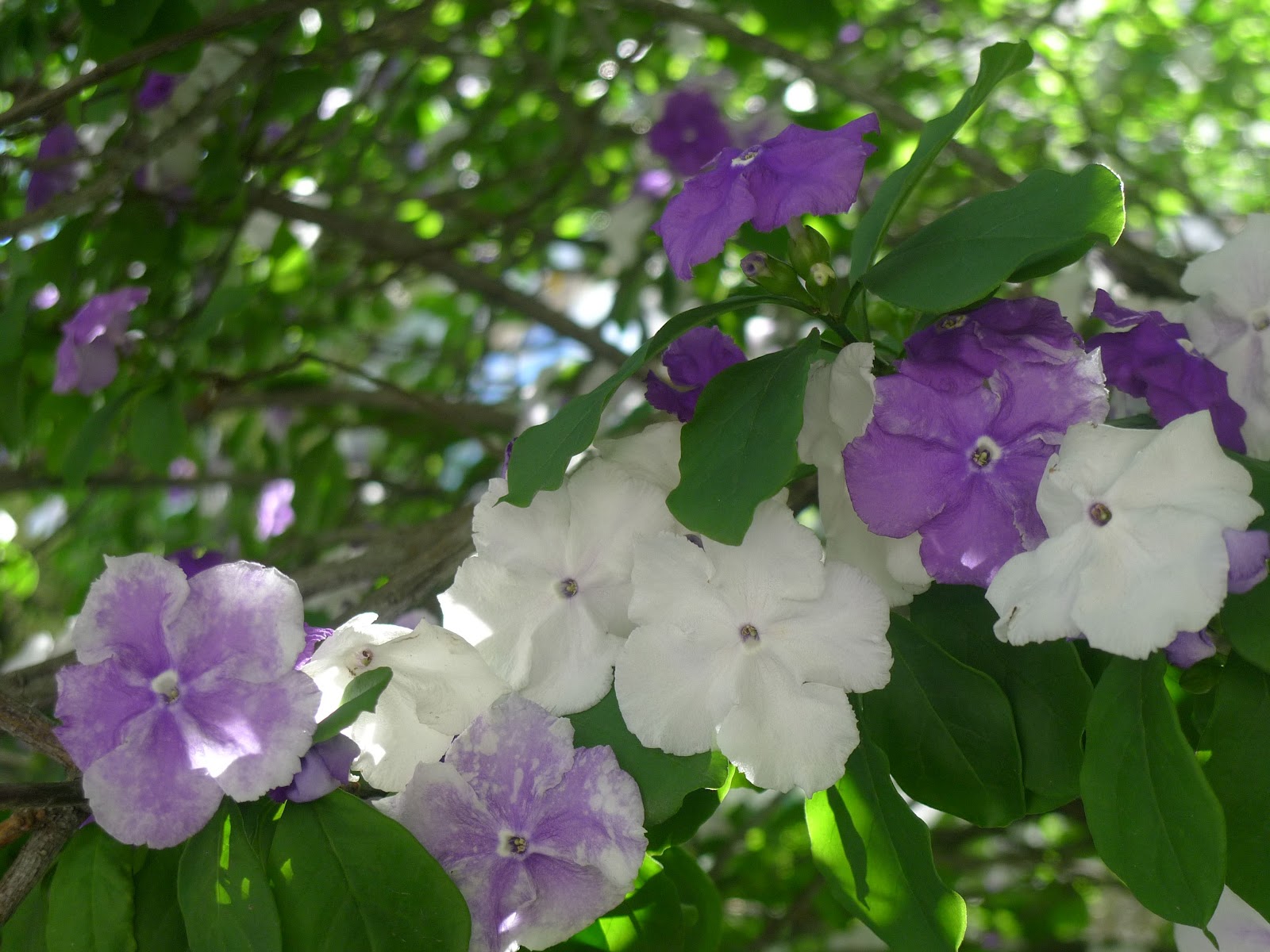
Beautiful flowers that adorn the trees in POA
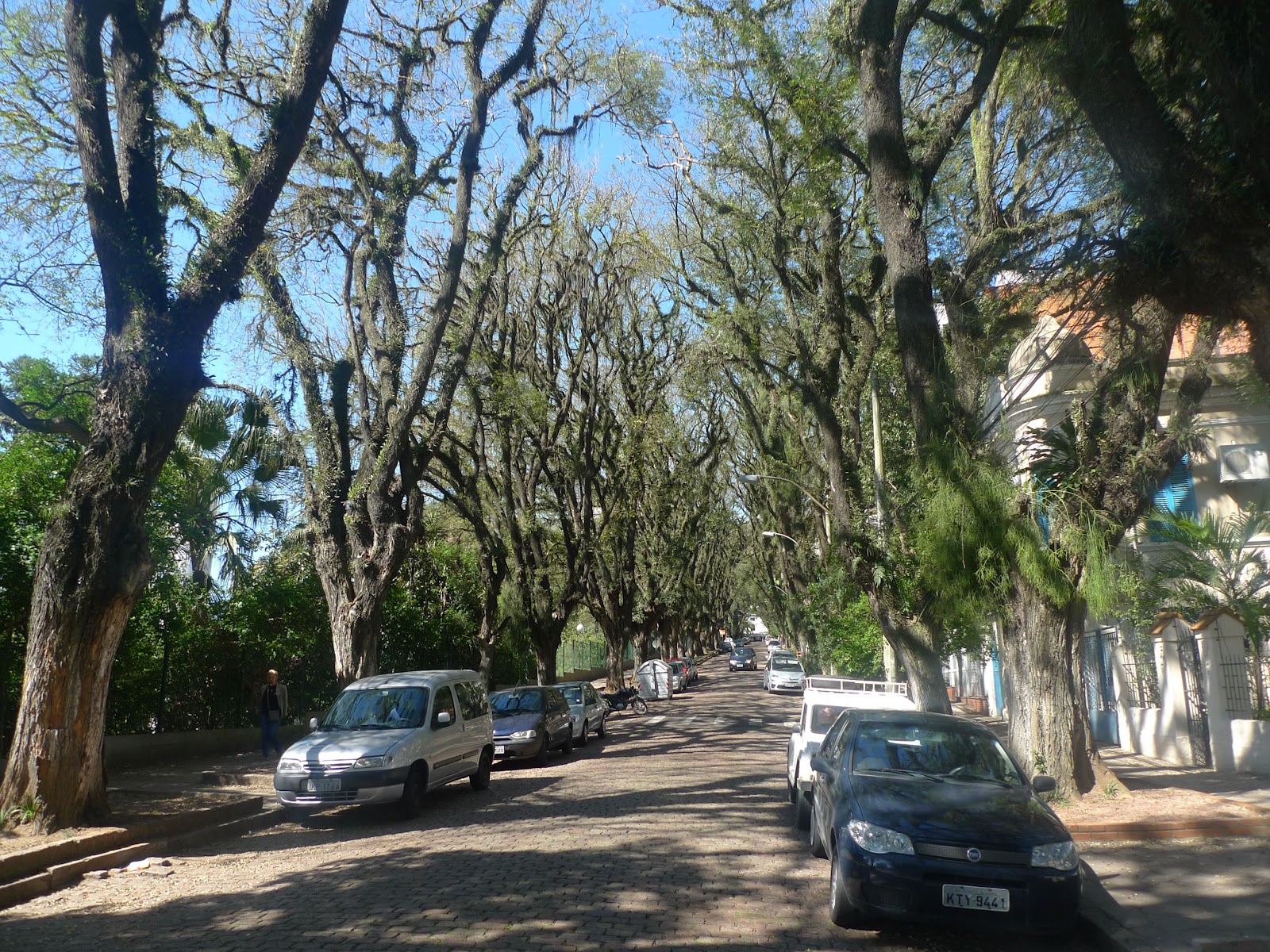
However the jewel in the cities crown blossoms in spring. The Jacaranda (a vibrant purple bell flower tree with twisted branches) give the city a carnival like feel during the months of October and November. Internationally recognised Rua Gonçalo de Carvalho is probably the most famous street to spot these in bloom. Without a doubt, the Jacarandas are the cities number one treasure and should be cherished.
Rua Gonçalo de Carvalho
Given its stunning climate, it’s surprising that more doesn't happen outdoors. Revitalisation of the waterfront, plus more outdoor cafes and establishments would enhance the quality of life. And a festival with lots of street vendors and events on Rua Gonçalo de Carvalho, for instance would surely be nice way to pay homage to the cities undeniable natural beauty. If that ever happens is anyone’s guess. In the meantime, charming mountain towns and the wine region are only a drive away.

 
Real Time Web Analytics